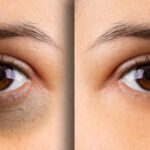
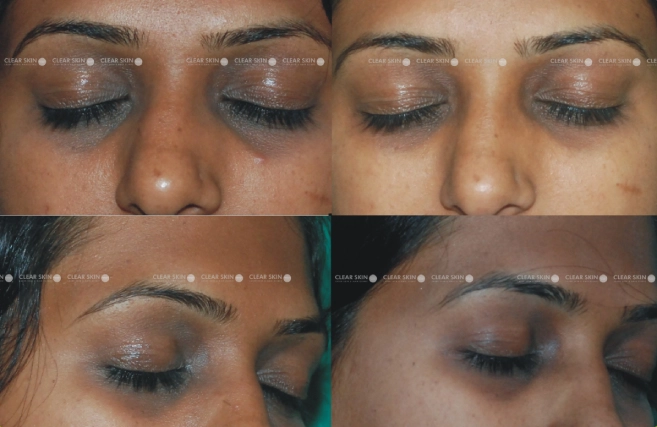
You know what nobody prepares you for? The moment you realize those shadows under your eyes aren’t from one late night—they’re permanent features making you look exhausted regardless of eight hours sleep. Throughout fourteen years consulting for cosmetic dermatology practices and aesthetic medicine clinics, I’ve watched people spend thousands on wrong treatments because they never identified what’s actually causing their particular dark circles.
The harsh truth is that “dark circles” describes a symptom with at least five completely different causes—pigmentation, vascular show-through, volume loss, skin texture, and structural shadows—each requiring fundamentally different treatment approaches.
Slathering expensive eye cream on vascular dark circles accomplishes nothing, whilst laser treatment for structural hollowing wastes money without addressing actual anatomy causing the shadow appearance you’re desperately trying to eliminate.
Identifying Your Specific Cause
Pigmentation presents as brown discoloration that doesn’t change with pressure—melanin deposits in skin require brightening treatments targeting color itself.
Vascular circles appear blue or purple and blanch with gentle pressure—visible blood vessels showing through thin skin need approaches strengthening skin or reducing vessel visibility.
Structural hollowing creates shadows from tear troughs—volume loss underneath creates dark appearance that’s actually shadow rather than true pigmentation or vascular issue.
The simple pressure test reveals vascular component—pressing gently on circles makes them disappear temporarily with vascular causes but doesn’t affect pigmentation or structural shadows.
Lighting changes help distinguish structural—shadows deepen with overhead lighting but reduce with front lighting, whilst pigmentation looks similar regardless of light angle.
What accurate diagnosis requires is systematic evaluation—assessing multiple factors rather than assuming all dark circles share identical causes requiring identical treatments.
Topical Treatments for Pigmentation
Vitamin C serums inhibit melanin production—consistent application over months gradually lightens brown pigmentation when melanin overproduction causes darkness.
Retinoids accelerate cell turnover removing pigmented cells whilst stimulating collagen—dual benefit of lightening whilst thickening skin hiding underlying structures better.
Niacinamide reduces melanin transfer to skin cells—gentler than retinoids whilst still providing measurable lightening over time with consistent use.
Kojic acid, licorice extract, and arbutin provide additional brightening—multiple mechanisms attacking pigmentation from different angles work better than single ingredient approaches.
The patience requirement proves critical—pigmentation lightening requires 3-6 months minimum seeing significant results through topical treatments applied consistently.
What dermatological evidence confirms is that combination products targeting pigmentation through multiple mechanisms outperform single-ingredient approaches dramatically for melanin-based circles.
Strengthening Approaches for Vascular Circles
Caffeine-containing products temporarily constrict blood vessels—provides hours of reduced visibility though effects wear off requiring repeated application maintaining improvements.
Vitamin K creams may strengthen capillary walls reducing visibility—evidence is moderate but some patients report improvement with consistent use over months.
Cold compresses constrict vessels immediately—temporary but effective quick fix before events when you need dark circles less noticeable rapidly.
Retinoids thicken skin over time making underlying vessels less visible—works slowly but delivers lasting improvement unlike temporary caffeine constriction effects.
The lifestyle component involves identifying triggers worsening vascular show-through—alcohol, salt, allergies, and poor sleep all dilate vessels making circles more prominent.
What vascular circle sufferers need understanding is that true permanent correction often requires procedures—topicals help moderately but don’t eliminate the underlying anatomy completely.
Volumizing for Structural Shadows
Hyaluronic acid fillers represent gold standard for tear trough correction—immediate volume restoration eliminates shadow creating dark appearance under eyes.
The technique matters enormously—experienced injectors place filler in precise planes avoiding complications like lumps or visible product creating worse appearance.
Longevity varies from 6-18 months depending on product and individual metabolism—requires maintenance but delivers dramatic improvement impossible through topical treatments.
Fat grafting provides longer-lasting volume restoration—surgical procedure transferring your own fat into tear troughs lasts years rather than months.
The risk consideration involves potential complications—while rare with skilled injectors, filler complications in periorbital area can be serious requiring immediate management.
What separates successful filler treatment from disappointing results is injector expertise—this isn’t an area for inexperienced providers learning on your face.
Resurfacing for Texture and Thickness
Chemical peels improve skin quality making underlying structures less visible—controlled injury stimulates collagen whilst removing damaged surface layers.
Laser resurfacing delivers stronger collagen stimulation—fractional lasers create microscopic injuries triggering healing response that thickens and strengthens periorbital skin.
Microneedling with radiofrequency combines mechanical injury with heat—synergistic effect on collagen production improves skin quality more than either modality alone.
The treatment depth requires careful calibration—periorbital skin is delicate requiring conservative parameters preventing complications while still delivering benefits.
Recovery time varies by intensity—gentler treatments need days whilst aggressive resurfacing requires weeks of social downtime before presentable.
What resurfacing accomplishes is improving skin quality making it better able to camouflage underlying vascular and structural issues contributing to dark appearance.
Comprehensive Multi-Modal Approaches
Most dark circles involve multiple contributing factors—pigmentation plus thinning plus volume loss commonly coexist requiring combination treatment addressing each component.
The layered strategy involves topical treatments for pigmentation, procedures for volume, and resurfacing for skin quality—attacking problem from multiple angles.
Realistic expectations prove critical—significant improvement is achievable but perfection is unrealistic given genetic and anatomical realities affecting periorbital appearance.
The investment consideration involves both money and time—effective treatment requires multiple sessions over months plus maintenance sustaining initial improvements achieved.
What fourteen years of aesthetic medicine teaches is that dark circles demand personalized treatment—copying someone else’s regimen fails when your causes differ from theirs.
FAQs
How long until I see results from dark circle treatments?
Topicals require 2-3 months minimum. Fillers show immediate results though final appearance takes 2 weeks after swelling resolves. Lasers and peels show gradual improvement over 3-6 months.
Are expensive eye creams worth it for dark circles?
Only if they contain effective ingredients for your specific cause. Many expensive products contain same actives as cheaper alternatives—you’re paying for packaging and marketing.
Can I treat dark circles with makeup instead?
Makeup provides temporary cosmetic coverage but doesn’t improve underlying condition. Using both makeup for immediate coverage and treatments for long-term improvement works well.
Do dark circles indicate health problems?
Usually no—they’re cosmetic issue from anatomy and genetics. However, sudden worsening can indicate allergies, thyroid problems, or anemia warranting medical evaluation.
Why do my dark circles look worse in mornings?
Overnight fluid retention makes tissues fuller and vessels more visible. Sleeping elevated, reducing salt intake, and morning cold compresses help reduce morning puffiness worsening appearance.
Can I prevent dark circles from developing?
Sunscreen prevents pigmentation worsening. Good sleep and allergies management minimize vascular contribution. However, genetic and age-related causes aren’t preventable—only manageable after developing.
How much do filler treatments cost for tear troughs?
£400-800 per session typically in UK depending on provider and product amount needed. Results last 9-18 months requiring periodic maintenance sustaining improvement.
Are laser treatments safe for dark circles?
When performed by experienced providers, yes. However, periorbital area requires expertise—complications can be serious. Verify provider experience specifically with eye area treatments.
Will losing weight worsen my dark circles?
Can worsen structural circles by reducing facial fat padding. However, overall health benefits outweigh cosmetic concerns—address circles through volumizing treatments if they develop or worsen.
Can allergies cause dark circles?
Yes. Chronic nasal congestion and rubbing dilate vessels and thin skin. Managing allergies through medication and avoiding triggers often dramatically improves associated dark circles.

Previous Article
Why Dark Circle Treatments Differ By Skin TypeNext Article
Which Dark Circle Treatments Work For Tired Eyes