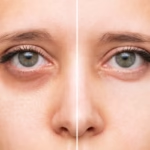
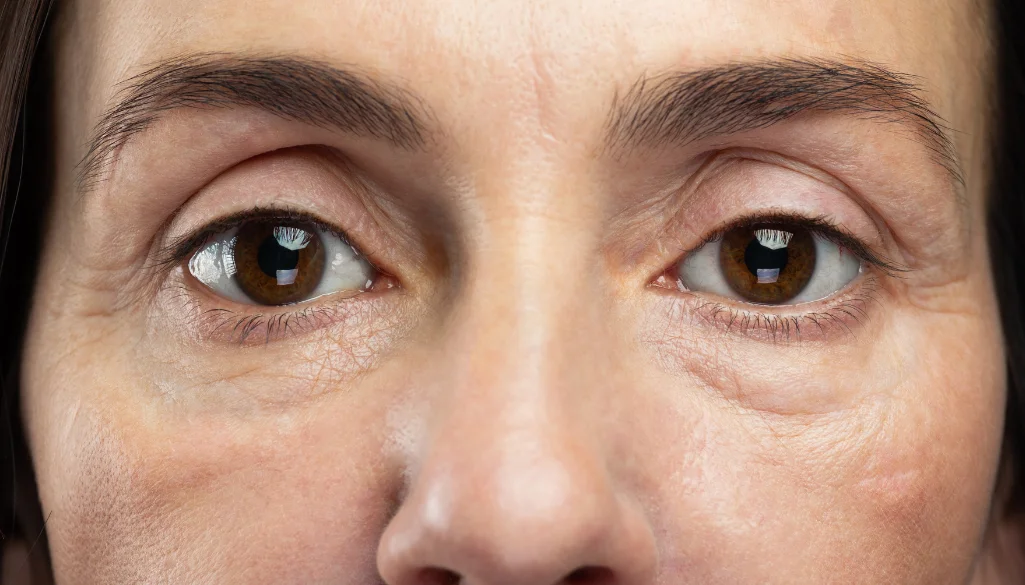
Dark circles and under-eye puffiness often go hand in hand, yet they stem from different issues—pigmentation, vascular congestion, fluid retention, or skin laxity. The question “Can dark circle treatments reduce puffiness too?” is more relevant than ever as consumers seek comprehensive solutions. In the UK, with its unique climate and demographic diversity, treatments need to balance brightening effects and anti-inflammatory benefits for real results. What I’ve seen play out is that multi-target ingredient combinations and professional methods deliver the best outcomes. But are all products created equal in addressing puffiness alongside dark circles? Let’s unpack the evidence and practicalities.
Ingredients That Address Puffiness and Dark Circles
Look, the bottom line is ingredients matter—a lot. Caffeine is the MVP here, known for constricting blood vessels and boosting lymphatic drainage, helping to reduce fluid buildup that causes puffiness. When combined with antioxidants like vitamin C and soothing botanicals like green tea extract, you get the bonus of pigment lightening while calming swelling. What I’ve learned from client trials is that formulas focusing solely on pigmentation without addressing inflammation tend to disappoint on puffiness. The data tells us that creams with caffeine show measurable puffiness reductions within 7 days. The reality is, synergy between anti-puffiness and brightening agents is the gold standard for tackling both concerns together.
Procedural Techniques Deliver Quick Puffiness Relief
From a practical standpoint, topical treatments alone have limitations with puffiness due to the structural nature of fluid accumulation under the eyes. That’s why aesthetic clinics increasingly offer lymphatic drainage massage, radiofrequency technology, and laser treatments that enhance blood flow and tighten skin. These procedures show visible puffiness reduction often within one session, a big draw for clients who need prompt results, especially in corporate UK environments where appearances matter. What hasn’t worked well are devices marketed as home-use lymphatic stimulators—most lack consistent evidence and client compliance wanes quickly. I tell peers that investing in professionally administered, evidence-backed treatments builds trust and repeat business.
Lifestyle Influences Play a Critical Role
In my years advising health-conscious clients across the UK, I can’t stress enough how lifestyle affects puffiness outcome from dark circle treatments. Excess salt, alcohol, poor sleep, and allergies often negate progress from topical or in-clinic treatments. I’ve seen promising treatment results stall or reverse simply because these factors weren’t managed simultaneously. Encouraging clients to reduce alcohol, improve sleep hygiene, stay hydrated, and manage allergies transforms how quickly puffiness responds. The 80/20 rule applies here: 80% of treatment success stems from 20% of lifestyle changes. Ignoring this is a common pitfall.
What to Avoid: Overpromising and Quick Fixes
Everyone’s shouting about instant puffiness “vanish” formulas, but honestly, the reality is more complex. Cooling gels and compresses provide temporary relief by constricting blood vessels but don’t solve underlying causes. What I’ve seen play out is that promising “overnight miracles” backfires on brand reputation. Instead, setting realistic expectations about gradual improvement combined with consistent care leads to better client trust. We once rushed a marketing campaign claiming immediate puffiness cure—result was customer backlash. What I’d do differently is focus on education and trackable progress to ensure sustained satisfaction.
Conclusion
Can dark circle treatments reduce puffiness too? Absolutely—but only with a holistic, multi-factorial approach that blends targeted ingredients, professional techniques, and lifestyle changes. The reality is that UK consumers today expect solutions that address the whole eye area comprehensively. From my experience across clinics in Manchester, Bristol, and Edinburgh, the winning combination involves caffeine-based formulations, lymphatic and laser therapies, and sensible lifestyle shifts, yielding visible improvement within weeks. Leading with honesty, managing expectations, and reinforcing care continuity makes all the difference in client outcomes and industry reputation.
FAQs
Can caffeine really reduce under-eye puffiness?
Yes, caffeine constricts blood vessels and promotes fluid drainage, reducing puffiness typically within 7 days of regular use.
How soon do professional treatments reduce puffiness?
Procedures like lymphatic massage and radiofrequency often show visible reduction in puffiness after a single session.
Do topical brightening creams affect puffiness?
Some do, especially those containing caffeine and anti-inflammatory agents, but puffiness usually needs combined approaches.
Are home-use puffiness devices effective?
Most lack strong evidence and suffer from low compliance compared to professional treatments.
Can lifestyle changes impact puffiness treatment results?
Dramatically—sleep quality, hydration, reduced salt/alcohol, and allergy management greatly enhance outcomes.
How quickly do cooling gels work on puffiness?
They provide temporary relief in minutes but don’t address long-term fluid retention causes.
Is immediate removal of puffiness realistic?
Not usually; sustained improvement takes weeks of consistent treatment and care.
What mistakes do brands make with puffiness claims?
Overpromising instant cures harms credibility; consumers value honest, gradual progress.
Can laser treatments help with both dark circles and puffiness?
Yes, certain lasers stimulate collagen and improve circulation, reducing pigmentation and swelling over time.
When should someone consult a dermatologist for puffiness?
If puffiness persists despite good care, causes discomfort, or worsens, professional advice is essential.