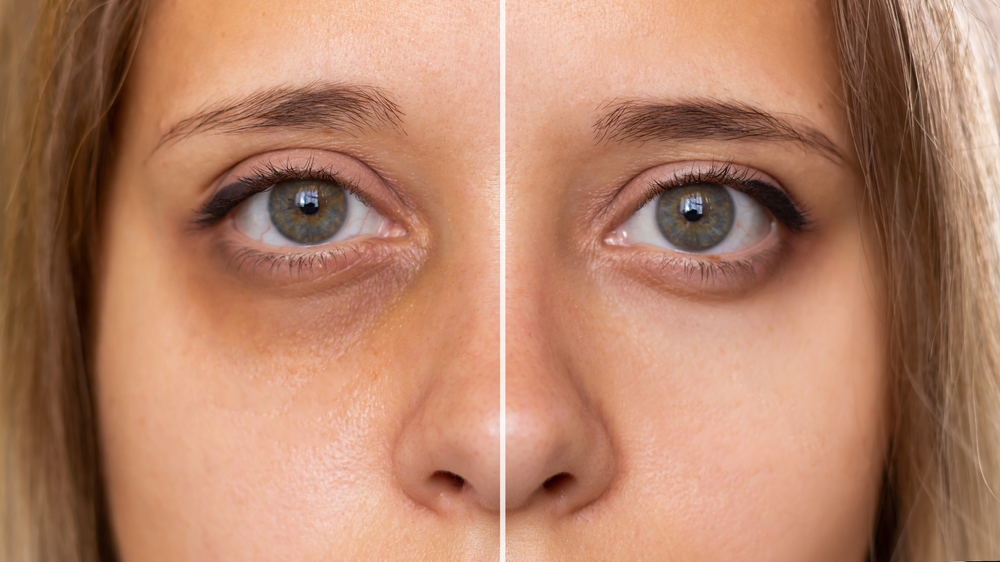
My undereye pigmentation developed slowly over years without me really noticing. One day I looked at old photos and realized my undereye area had gradually darkened to a brownish tint that makeup barely covered anymore.
Dermatologist confirmed it was melanin deposits – actual pigmentation, not just shadows or visible blood vessels. She explained that rubbing my eyes during allergy season, sun exposure without sunglasses, and genetics all contributed to the discoloration.
Treating pigmentation requires different approaches than treating vascular darkness or structural hollowing. You’re literally trying to reduce melanin concentration in skin, which is possible but takes targeted treatments and serious patience.
Why Pigmentation Happens Under Eyes
Melanin production increases in response to inflammation, sun damage, or hormonal changes. The undereye area has thin, delicate skin that’s particularly vulnerable to pigmentation triggers.
Rubbing eyes from allergies or tiredness causes chronic low-grade inflammation. Your body responds by producing melanin as protection, which gradually darkens the area. I rubbed my eyes constantly for years during pollen season without realizing the long-term consequences.
Sun exposure without protection hits undereye skin hard. Most people apply sunscreen to their face but skip or lightly cover the undereye area. UV radiation triggers melanin production, creating brown spots and overall darkening.
Hormonal changes during pregnancy or from birth control can trigger melasma, which sometimes appears under eyes. This type of pigmentation is particularly stubborn and prone to returning even after successful treatment.
Genetics play a role too. Some ethnic backgrounds are more prone to periorbital hyperpigmentation. People with naturally darker skin tones often develop more noticeable undereye pigmentation.
Understanding the causes of dark circles under eyes helps determine which treatments will work best for your specific situation rather than trying random products.
Hydroquinone For Stubborn Pigmentation
Hydroquinone is the strongest over-the-counter option for reducing melanin production. Available in 2% concentration without prescription, 4% requires a dermatologist.
I used 2% hydroquinone twice daily for three months and saw noticeable lightening of brown pigmentation. The area didn’t become perfectly even-toned, but the darkness reduced enough that light concealer covered it completely.
Application requires precision – only on pigmented areas, not surrounding skin. Hydroquinone lightens whatever it touches, so sloppy application creates uneven results. I use a small brush for controlled application.
Results appear gradually over 8-12 weeks. Some people see faster improvement, but patience is essential. Stopping too early means missing the full benefit.
Hydroquinone has controversial aspects. Some studies suggest long-term use might cause ochronosis – a darkening paradoxically caused by the lightening agent. Most dermatologists recommend limiting use to 3-4 months, taking breaks between treatments.
Sun protection is mandatory while using hydroquinone. The ingredient makes skin more vulnerable to UV damage, and sun exposure can worsen pigmentation beyond where you started. Sunscreen and sunglasses become non-negotiable.
Kojic Acid As Gentler Alternative
Kojic acid works similarly to hydroquinone by inhibiting melanin production, but with less irritation risk. It’s derived from fungi and is considered safer for long-term use.
I switched to kojic acid after my hydroquinone treatment cycle ended. The results were slower – took about four months to see similar improvement – but without the concerns about extended use.
Kojic acid works best in combination formulas with vitamin C or niacinamide. The synergistic effect seems to enhance results compared to kojic acid alone. Many Asian skincare brands offer excellent combination serums.
Sensitivity is possible but less common than with hydroquinone. I experienced mild stinging initially that resolved after a week. If irritation persists, reduce application frequency to every other day.
Patience is critical with kojic acid. It works, just more gradually than stronger alternatives. Consistent application matters more than concentration or brand.
Vitamin C For Melanin Reduction
L-ascorbic acid at 10-20% concentration inhibits tyrosinase, the enzyme responsible for melanin production. This gradually reduces existing pigmentation and prevents new formation.
Fresh vitamin C is essential – oxidized formulas turn orange or brown and become ineffective. I store mine in the fridge and replace every three months regardless of remaining product.
Application technique affects results. I apply 2-3 drops to clean skin, pat gently to absorb, then wait five minutes before moisturizer. Layering too quickly reduces effectiveness.
Vitamin C works gradually over 6-8 weeks minimum. Some people see faster results, but undereye pigmentation tends to respond slower than pigmentation elsewhere on the face.
Combination with sunscreen is essential. Vitamin C provides some antioxidant protection against UV damage, but it’s not a substitute for actual sunscreen. Both together prevent further pigmentation while treating existing darkness.
Chemical Peels For Faster Results
Chemical peels remove pigmented skin layers, revealing lighter skin underneath. A series of peels can significantly reduce pigmentation faster than topical products alone.
I did three glycolic acid peels spaced three weeks apart. Each treatment caused several days of flaking as pigmented skin shed. Results were noticeable after the first peel and dramatic after completing the series.
Professional peels are stronger and more effective than at-home options. The concentration, application technique, and neutralization timing all affect results. This isn’t where you want to cut costs with DIY approaches.
Downtime varies by peel strength. Light peels cause a few days of flaking. Medium peels can mean a week of obvious peeling and redness. Schedule accordingly if you have events or need to look presentable.
Results aren’t permanent without maintenance. New pigmentation forms if you don’t protect skin and manage inflammation. I do maintenance peels every 3-4 months to sustain results.
Niacinamide For Daily Prevention
Niacinamide (vitamin B3) reduces melanin transfer to skin cells, preventing new pigmentation formation. It’s gentle enough for twice-daily use and compatible with most other ingredients.
I use 5% niacinamide serum every morning under sunscreen. It hasn’t dramatically reduced existing pigmentation, but new darkening has stopped. Prevention matters as much as treatment.
Niacinamide also strengthens skin barrier function, reducing sensitivity and inflammation that can trigger pigmentation. My undereye area tolerates other active ingredients better since adding niacinamide to my routine.
Results appear gradually over several months. This is a long-term maintenance ingredient rather than a quick fix. Combined with targeted treatments like vitamin C or kojic acid, it enhances overall results.
Concentration matters – studies show effectiveness at 2-10%. Higher concentrations don’t necessarily work better and might cause irritation. I found 5% to be the sweet spot for results without sensitivity.
Sun Protection As Foundation
Every treatment fails without rigorous sun protection. UV exposure triggers melanin production, undoing months of treatment progress in days of unprotected exposure.
I wear mineral sunscreen with zinc oxide daily, even indoors near windows. UVA rays penetrate glass and trigger pigmentation even when you’re not outside. This seems extreme but made a noticeable difference.
Sunglasses aren’t just fashion – they’re essential pigmentation prevention. Large frames that cover undereye area provide physical barrier against UV rays. I wear them religiously during any outdoor time.
Reapplication matters for areas you’re actively treating. I reapply sunscreen to my undereye area every 3-4 hours when outdoors, even if my overall face doesn’t need it yet.
Wrapping This Up
Treating undereye pigmentation requires targeted ingredients that reduce melanin production or remove pigmented skin layers. Hydroquinone, kojic acid, vitamin C, and chemical peels all work when used correctly and consistently.
Realistic expectations prevent frustration. Pigmentation reduction happens gradually over months, not weeks. Dramatic overnight results don’t exist outside of Photoshop.
Combination approaches work better than single products. I use vitamin C daily, kojic acid serum at night, and quarterly chemical peels, with constant sun protection underlying everything.
Prevention through sun protection and inflammation management is as important as active treatment. New pigmentation forms easily, and protecting your results requires ongoing vigilance.