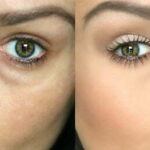
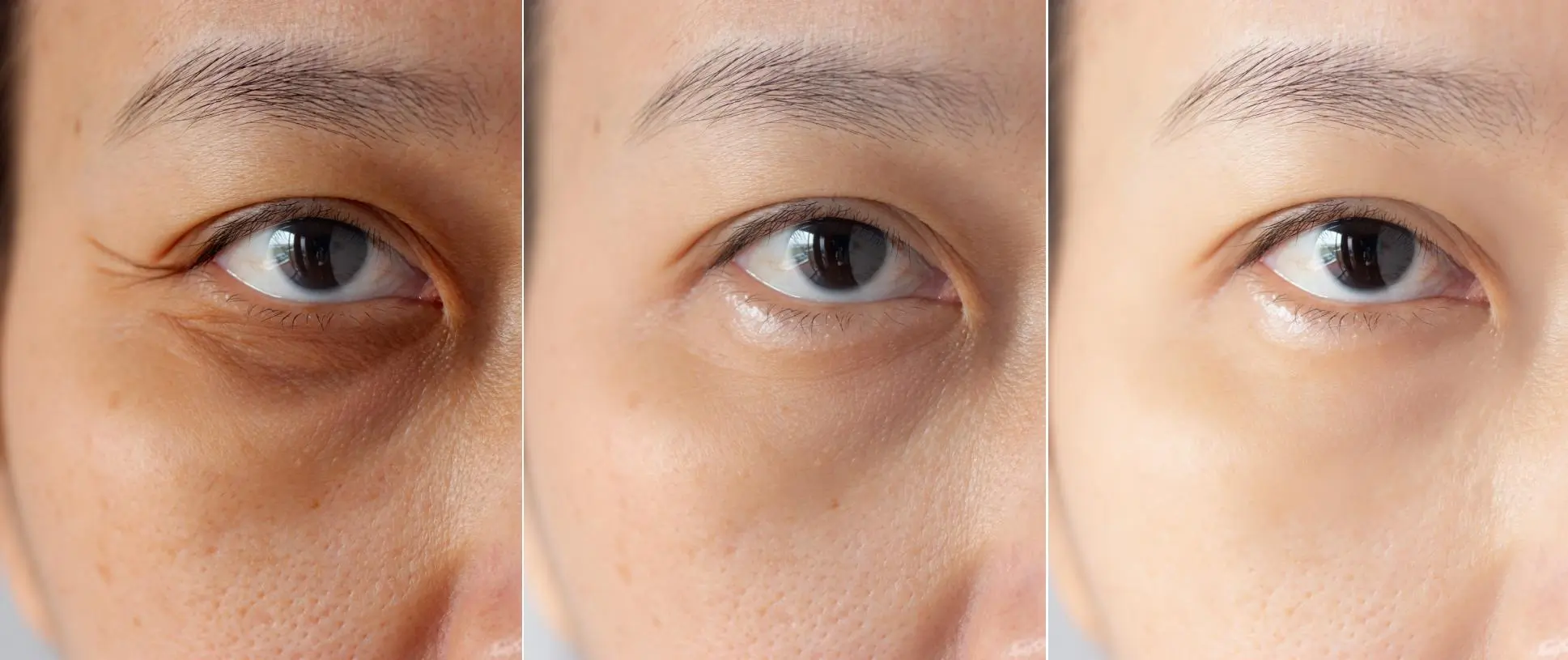
I spent two years thinking my dark circles were just from poor sleep. Bought every eye cream Target sold, tried cucumber slices like Instagram suggested, even started going to bed earlier. Nothing changed.
Turns out, dark circles have multiple causes, and generic solutions don’t work because they’re not addressing the actual problem. Some people have pigmentation issues. Others have thin skin showing blood vessels. Some have actual hollowing that creates shadows.
The frustrating part is that men and women often develop dark circles for different reasons, but most products pretend everyone’s problem is identical. My wife’s dark circles come from sun damage and hormonal changes. Mine are genetic hollowing that’s gotten worse with age. Same symptom, completely different causes.
Understanding what treatments actually do – and who they work for – saved me from wasting more money on solutions that were never going to help my specific situation.
Why Men And Women Get Dark Circles Differently
Women deal with hormonal fluctuations that men don’t experience. Pregnancy, menstrual cycles, and menopause all trigger melanin production changes. My wife noticed her dark circles got dramatically worse during both pregnancies and never fully went away.
Estrogen affects melanin distribution, which is why women often develop darker pigmentation under eyes during hormonal shifts. This is actual pigmentation, not just shadows or visible blood vessels. Treating it requires different approaches than other types of dark circles.
Men’s dark circles typically come from genetics and aging-related volume loss. The fat pads under our eyes shrink over time, creating hollow areas that cast shadows. No amount of sleep fixes structural changes.
Lifestyle factors hit differently too. Men are less likely to use sunscreen around the eyes, leading to sun damage and collagen breakdown. We’re also more likely to rub our eyes aggressively, which damages delicate skin and worsens discoloration.
Both genders experience dark circles from allergies, but women’s thinner skin often makes blood vessels more visible. The skin under eyes is already incredibly thin – about 0.5mm compared to 2mm on most of the face. Any inflammation or blood vessel dilation shows through immediately.
Topical Treatments And What They Actually Do
Vitamin C serums work on pigmentation-based dark circles by inhibiting melanin production. My wife uses one with 10% L-ascorbic acid and saw improvement after three months. Not overnight miracle results, but noticeable lightening of the brown tones.
The key with vitamin C is consistency and proper formulation. It oxidizes easily, turning brown and becoming useless. Airless pump bottles and opaque packaging protect the product. If your vitamin C serum is brown or orange, you’re applying oxidized vitamin C that does nothing.
Retinol increases cell turnover and stimulates collagen production, which thickens skin over time. Thicker skin hides blood vessels better, reducing the blue or purple appearance. Started using 0.025% retinol around my eyes six months ago and the blue tones have definitely faded.
Retinol requires patience and causes irritation initially. Your under-eye area will probably get red and flaky for the first few weeks. Most people quit during this phase, which is why they think retinol doesn’t work. Push through the adjustment period and results appear around month three.
Caffeine-based products temporarily constrict blood vessels, reducing puffiness and making dark circles less obvious. This is temporary relief, not a permanent solution. Works great for morning depuffing before important meetings, useless for long-term improvement.
Niacinamide reduces inflammation and can lighten pigmentation over time. Less irritating than vitamin C or retinol, making it good for sensitive skin. My wife combines niacinamide with her vitamin C for better results than either ingredient alone.
Injectable And Professional Treatments
Hyaluronic acid fillers address volume loss in the tear trough area. An experienced injector places filler in the hollow under the eye, literally filling the depression that creates shadows. My brother got this done and his dark circles disappeared completely because his problem was structural, not pigmentation.
This works amazingly well for the right candidates but looks terrible when done poorly. Overfilled tear troughs create a weird puffy look. Filler placed too superficially shows as visible bumps under the skin. Choose your injector very carefully – this is delicate work requiring serious skill.
Results last 12-18 months typically, then you need touch-ups. Costs $600-900 per session in most markets. Not cheap, but way more effective than buying hundreds of dollars of eye creams that don’t address structural issues.
Chemical peels targeting the under-eye area help with pigmentation. Lighter peels use ingredients like lactic acid or mandelic acid to gently exfoliate pigmented cells. My wife did a series of three and saw definite lightening of her pregnancy-related dark spots.
Laser treatments like Q-switched lasers target melanin deposits specifically. The laser energy breaks up pigmentation, which your body then clears naturally. More aggressive than peels, but also more effective for stubborn pigmentation. Her dermatologist recommended this after peels plateaued.
Microneedling with radiofrequency stimulates collagen production, thickening skin and reducing visible blood vessels. Several sessions are needed – typically four to six spaced a month apart. Results build gradually but can be significant for people with thin skin showing vascular issues.
What Actually Works Long-Term
Addressing underlying causes beats treating symptoms. My allergies were making my dark circles worse through constant inflammation and eye rubbing. Started daily antihistamines and my dark circles improved noticeably within weeks.
Sun protection is non-negotiable. UV damage thins skin and increases pigmentation. I wear mineral sunscreen around my eyes daily now, even in winter. The difference after six months of consistent protection is substantial.
Sleep position matters more than sleep duration. Sleeping face-down causes fluid to pool under eyes, creating puffiness and making dark circles more prominent. Started sleeping on my back with an extra pillow and morning puffiness decreased significantly.
Hydration and diet affect how prominent dark circles appear. Dehydration makes skin look worse overall, and excess sodium causes fluid retention. Not groundbreaking advice, but it actually makes a visible difference.
According to research on dark circles under eyes, multiple factors including genetics, aging, and lifestyle all contribute to their appearance. No single treatment addresses everything, which is why combination approaches work better than relying on one product or procedure.
Gender-Specific Considerations
Men’s thicker skin tolerates aggressive treatments better. We can use stronger retinol concentrations and recover from procedures faster. Women often need gentler formulations, especially around hormonal fluctuation periods.
Makeup provides temporary coverage that women use more comfortably than men. Color-correcting concealers neutralize dark tones – peach tones cancel blue circles, yellow cancels purple. My wife uses this when she needs immediate results for events.
Men are less likely to seek professional treatment due to stigma around cosmetic procedures. This is changing, but still affects treatment rates. Guys suffer with dark circles they could fix because they think cosmetic dermatology is only for women.
Hormonal treatments like birth control or hormone replacement therapy can worsen women’s dark circles through increased pigmentation. Something to monitor if you’re on hormonal medications and notice worsening discoloration.
Wrapping This Up
Dark circle treatments work differently for men and women because the underlying causes often differ. Volume loss, pigmentation, thin skin, and visible blood vessels all create dark circles but require different solutions.
Professional treatments like fillers, lasers, and peels provide more dramatic results than over-the-counter products but cost significantly more. For structural issues like hollowing, topical products won’t help at all – you need volume replacement.
Identify your specific type of dark circles before investing in treatments. Throwing random products at the problem wastes money and creates frustration when they don’t work.
Consistency matters more than expensive products. A $20 retinol used nightly for six months beats a $150 eye cream used sporadically. Pick treatments appropriate for your cause and stick with them long enough to see results.