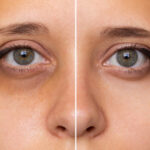
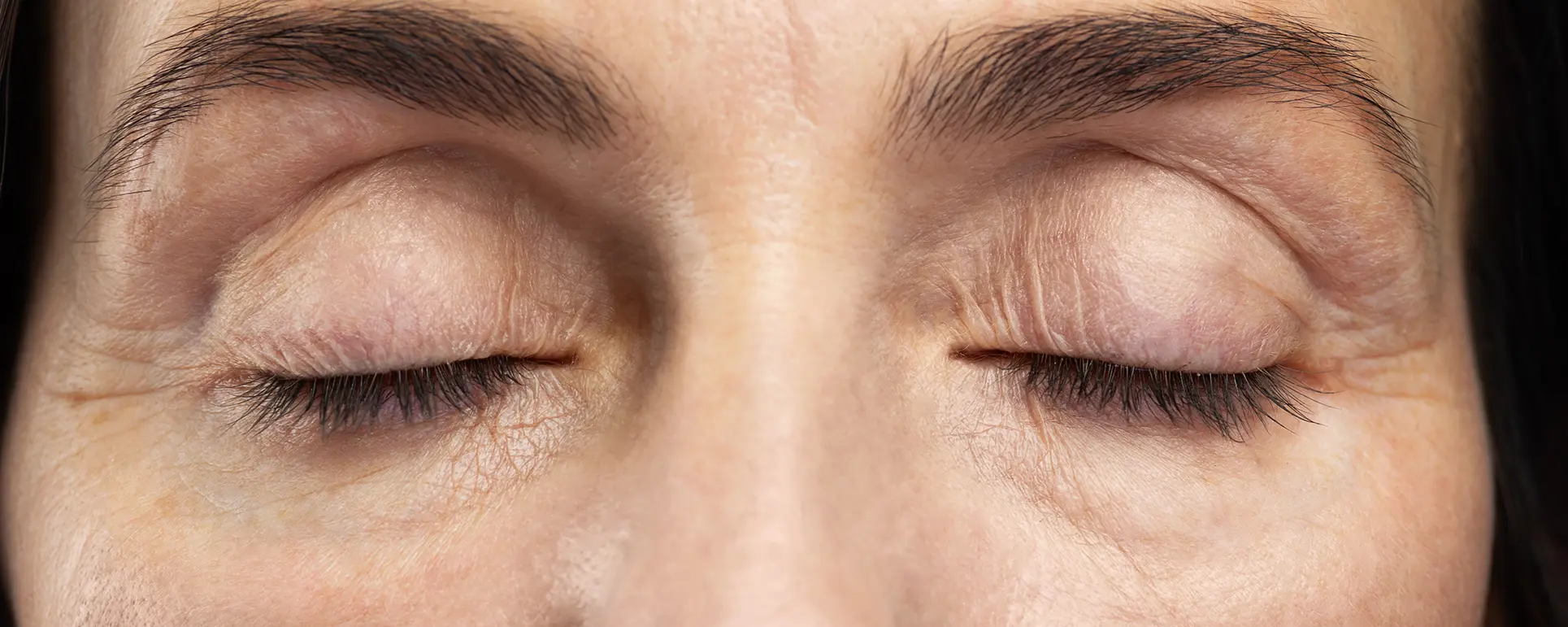
I stopped using my undereye treatments about six months ago. Partly out of laziness, partly to see what would happen if I just… stopped. Would the improvement I’d gained over two years of consistent treatment stick around, or would everything revert?
The answer turned out to be complicated. Some improvement remained, some darkness gradually returned, and new factors I hadn’t considered started affecting my undereye area.
Understanding what fades and what sticks helps you decide which treatments are worth maintaining long-term versus one-time interventions that provide lasting results.
What Actually Stays Improved
Structural improvements from professional treatments like filler or laser tend to last their expected duration. Filler supported the hollows under my eyes for about ten months before gradually metabolizing. The improvement didn’t suddenly vanish – it faded gradually over several months.
Collagen stimulation from microneedling or certain laser treatments can provide lasting benefits. New collagen production thickens skin somewhat permanently, assuming you maintain decent skincare and sun protection. This improvement mostly stuck around even after I stopped active treatments.
Pigmentation reduction from chemical peels stayed fairly stable. The melanin I’d removed with a series of peels didn’t immediately return. However, new pigmentation started forming slowly from sun exposure and inflammation.
Skin texture improvements from retinol partially reversed. My undereye skin had thickened noticeably during two years of consistent retinol use. About three months after stopping, I could see the thinning starting to return, though not completely back to baseline.
Vascular improvements from caffeine products disappeared within hours of stopping. Those were always temporary effects rather than cumulative benefits. No surprise there.
Why Some Results Fade
Your body constantly produces new skin cells that haven’t been treated. New melanin forms in response to sun and inflammation, gradually darkening the undereye area again even if you successfully lightened it previously.
The treatments that worked weren’t fixing root causes – they were managing symptoms. Stopping symptom management means symptoms return. Kind of like taking allergy medicine – it works while you take it, but allergies return when you stop.
Aging continues regardless of treatment. My skin continues thinning with age, vessels become more visible over time, and fat pads under eyes gradually diminish. Previous treatments can’t stop biological aging processes.
Environmental damage accumulates daily. Sun exposure, rubbing from allergies, poor sleep, dehydration – all these factors constantly work against previous improvements. Maintaining results requires ongoing protection and management.
According to information from Cleveland Clinic on dark circles, genetic and structural factors mean some people will always be prone to darkness regardless of treatment.
Maintenance Versus One-Time Treatments
Some treatments require continuous use to maintain results. Vitamin C, retinol, and peptide serums work only while you’re using them. Stop applying them and benefits gradually fade over weeks to months.
I’ve accepted that certain products are long-term commitments if I want sustained results. My minimal maintenance routine includes vitamin C serum, retinol twice weekly, and religious sun protection. Not as intensive as my peak treatment phase, but necessary to maintain improvement.
Chemical peels can provide longer-lasting results but still need maintenance. I now do one peel every 4-6 months instead of the intensive series I did initially. This prevents pigmentation from returning to previous levels.
Professional treatments like laser or filler are more episodic. You undergo treatment, enjoy results for months or years, then retreat when effects fade. Not daily maintenance, but periodic intervention.
Lifestyle changes provide lasting benefits if you actually maintain them. Managing allergies, improving sleep quality, staying hydrated, reducing salt intake – these changes help as long as you keep doing them.
Natural Fading Without Treatment
Some people report that their dark circles improved naturally as lifestyle factors changed. Better sleep quality, reduced stress, allergy management, or dietary changes occasionally reduce darkness without targeted treatments.
My circles definitely vary with life circumstances. During particularly stressful work periods with poor sleep, they darken noticeably. During calm periods with consistent sleep and low stress, they lighten somewhat naturally.
Pregnancy and hormonal changes sometimes darken circles temporarily. Some women find that postpartum, their undereye area returns to pre-pregnancy appearance without intervention. Others develop persistent pigmentation that requires treatment.
Age can work both ways. Some people find circles worsen with age as skin thins and fat pads diminish. Others report slight improvement as facial fat distribution changes in ways that minimize hollow shadows.
Natural fading is unpredictable and depends entirely on what’s causing your specific darkness. If it’s primarily genetic or structural, natural improvement is unlikely. If it’s mostly lifestyle-related, changes in those factors might help.
Realistic Expectations For Maintenance
Complete elimination of dark circles probably isn’t happening naturally for most people. Genetics, bone structure, and skin characteristics create baseline darkness that doesn’t disappear without intervention.
Partial improvement is achievable and maintainable with reasonable effort. My circles are noticeably lighter than before I started treatments, even with minimal maintenance. They’re not gone, but improved enough that I feel comfortable without concealer most days.
The effort required for maintenance is substantially less than initial improvement phase. Getting results required intensive daily routine with multiple products. Maintaining those results needs maybe 25% of that effort.
Periodic professional treatments extend results significantly. One chemical peel every few months maintains pigmentation reduction far better than topical products alone. The investment pays off in sustained improvement.
What’s Worth Maintaining Long-Term
Sun protection is non-negotiable. This single factor affects pigmentation, aging, and overall skin health more than any product. Daily sunscreen and sunglasses prevent new darkness from forming.
Retinol provides ongoing benefits that make long-term use worthwhile. Skin thickness, texture, and overall appearance improve with consistent use. I’ve settled on twice-weekly application rather than nightly, which maintains results with minimal irritation.
Vitamin C prevents new pigmentation and provides antioxidant benefits beyond just undereye appearance. Daily application takes 30 seconds and maintains the brightening I achieved during intensive treatment.
Lifestyle factors – sleep quality, allergy management, hydration – affect dark circles and overall health. Maintaining these habits provides benefits far beyond cosmetic appearance.
Professional maintenance treatments every few months sustain results that would otherwise fade. One peel or laser session quarterly costs money but prevents regression to starting point.
Wrapping This Up
Dark circle improvements fade partially after stopping treatments, but results don’t completely disappear overnight. Some structural improvements last months or years, while topical product benefits fade within weeks of discontinuation.
Maintenance requires significantly less effort than achieving initial results. Minimal routine with key products and sun protection sustains most improvement with fraction of time and cost.
Realistic expectations prevent disappointment. Complete natural fading to perfect undereye appearance isn’t happening for most people. Maintaining noticeable improvement over baseline is achievable.
Decide which treatments provide enough benefit to justify ongoing use. Not everything from your intensive treatment phase needs to continue. Identify the minimum effective routine that maintains your acceptable result level.