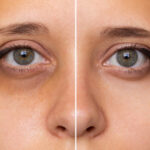

I spent years hiding my dark circles with concealer. Layer after layer of makeup every single morning, just to look awake enough for meetings. The concealer creased by noon, looked cakey under office lights, and made my undereye area look worse by evening.
Finally got tired of the makeup routine and started researching actual treatments that might reduce the darkness instead of just covering it. Turns out there are options that work, but you need realistic expectations about what “work” actually means.
Nobody’s going to give you magazine-cover perfection without Photoshop. But several treatments can noticeably reduce darkness to the point where you feel comfortable going makeup-free. Some work faster than others. Some cost way more than they should. Here’s what actually helped after trying basically everything.
Understanding Why Your Circles Are Dark
Dark circles aren’t one single problem with one simple solution. Different causes require different approaches, which is why random products from the drugstore rarely work.
Thin skin under eyes shows blood vessels more clearly, creating a bluish or purple tint. This is genetic – some people have naturally thinner undereye skin. No cream magically thickens skin, so treatments focus on other aspects.
Pigmentation creates actual brown discoloration from sun damage, inflammation, or genetics. Common in people with darker skin tones or those who’ve rubbed their eyes excessively over years. This type responds to different treatments than vascular darkness.
Hollowing creates shadows that look like dark circles but are actually structural. As fat pads under eyes diminish with age, the area becomes sunken. Shadows make it appear darker even though skin color hasn’t changed.
Most people have a combination of these issues. I’ve got thin skin showing vessels plus some pigmentation from years of terrible sleep. Figuring out your specific causes helps target treatments effectively instead of wasting money on random products.
According to Cleveland Clinic resources on dark circles, allergies and rubbing can worsen darkness over time. Managing underlying causes matters as much as treating visible symptoms.
Vitamin C Serums For Pigmentation
Vitamin C became my first real success after concealer. Not the cheap stuff from drugstores – actual L-ascorbic acid serums at 10-20% concentration from reputable brands.
Vitamin C brightens pigmentation gradually by interfering with melanin production. You won’t see results overnight, but after six weeks of consistent use, my undereye area looked noticeably lighter. Not perfect, just less brown.
The serum needs to be fresh – vitamin C oxidizes and becomes useless when exposed to air and light. Store it in the fridge and replace every three months regardless of how much is left. Oxidized vitamin C does nothing except waste your money.
Application matters too. I use 2-3 drops patted gently under eyes every morning before moisturizer. Rubbing or pulling skin worsens darkness long-term, so gentle application is essential.
Stinging or irritation means the concentration is too high or your skin is sensitive. Start with 10% and work up to higher concentrations if needed. Some redness initially is normal, but sustained irritation means you’re damaging skin.
Results plateau after several months. Vitamin C reduces existing pigmentation but won’t eliminate darkness completely if you’ve got vascular or structural components too.
Retinol For Skin Thickening
Retinol was intimidating because everyone warns about irritation, especially on delicate undereye skin. But it’s one of the few ingredients proven to actually thicken skin over time.
Start with low concentrations – 0.25% or 0.5% maximum for undereye area. Apply every third night initially, then increase frequency as your skin adjusts. I’m now using 0.5% retinol every other night without issues.
Thicker skin reduces how much blood vessels show through, which diminishes that bluish-purple tint. This takes months – I noticed real improvement around the four-month mark. Progress is gradual enough that you don’t see daily changes, but comparing photos from months apart shows clear difference.
Use retinol at night only. It makes skin more sun-sensitive, and the last thing you need is more sun damage creating additional pigmentation. Always follow with sunscreen during the day.
Expect some initial flaking or dryness. This is normal as skin adjusts. Heavy moisturizer helps manage the transition period. If you get significant redness or burning, you’re using too much or too high a concentration.
Retinol is a long-term commitment. Stop using it and your skin gradually returns to its previous state. Think of it as ongoing maintenance rather than a one-time fix.
Caffeine Products For Immediate Reduction
Caffeine eye creams provide temporary improvement – not permanent fixes, but noticeable enough for makeup-free days when you need to look decent.
Caffeine constricts blood vessels, reducing the appearance of vascular darkness. The effect lasts a few hours, which is enough to get through morning meetings or social events without concealer.
I keep a caffeine roller in my fridge. Cold application enhances the vessel-constricting effect. Roll it under eyes right after washing my face, and within ten minutes the darkness visibly reduces.
This isn’t fixing anything long-term. You’re just temporarily making vessels less visible. But sometimes you need quick results rather than waiting months for retinol or vitamin C to work.
Products with both caffeine and peptides seem to work better than caffeine alone. The peptides might provide some cumulative benefit over time, though evidence is limited compared to retinol or vitamin C.
Use these products for immediate needs while implementing longer-term treatments. They’re complementary strategies, not either/or choices.
Professional Treatments Worth Considering
Chemical peels targeting pigmentation worked surprisingly well for my brown discoloration. A series of three peels over two months noticeably lightened the area. Not cheap – ran about $600 total – but results lasted longer than any cream.
Laser treatments can reduce both pigmentation and stimulate collagen production to thicken skin. Expensive and requires downtime, but people with severe darkness see dramatic improvement. I’m considering this after maxing out what topical products can achieve.
Filler injections address structural hollowing rather than actual darkness. By filling the hollow area, they eliminate shadows that create the appearance of dark circles. Results last 9-12 months typically. Cost varies widely but expect $500-800 per treatment.
Microneedling stimulates collagen production and helps topical products penetrate deeper. I’ve done three sessions with noticeable improvement in skin texture and slight reduction in darkness. Less dramatic than lasers but also less expensive and no real downtime.
Lifestyle Factors That Actually Help
Sleep quality matters more than sleep quantity for me. Eight hours of terrible sleep leaves me looking worse than six hours of deep, uninterrupted rest. Blackout curtains and consistent bedtime improved my dark circles more than any cream.
Allergies make everything worse. Managing seasonal allergies with antihistamines reduced the puffiness and inflammation that darkened my undereye area. Less rubbing from itchiness also prevents worsening pigmentation.
Hydration shows up in your face. Drinking enough water won’t cure dark circles, but dehydration definitely makes them more prominent. Skin looks thinner and vessels show through more clearly when you’re not properly hydrated.
Salt intake affects fluid retention and puffiness. I reduced sodium significantly and noticed less morning puffiness within a week. Less puffiness means less pronounced darkness.
Wrapping This Up
Getting rid of dark circles without makeup requires addressing the specific causes affecting you. Vitamin C for pigmentation, retinol for thin skin, caffeine for immediate vessel constriction, and potentially professional treatments for severe cases.
Realistic expectations prevent disappointment. You can significantly reduce darkness, but complete elimination probably isn’t happening without concealer or professional procedures. Improvement is the goal, not perfection.
Consistency matters more than product cost. Cheap vitamin C that you use daily works better than expensive serum that sits unused because you forget. Build a sustainable routine you’ll actually maintain.
Give treatments time to work – minimum six weeks before judging effectiveness. Skin cell turnover takes time, and most active ingredients work gradually rather than overnight.