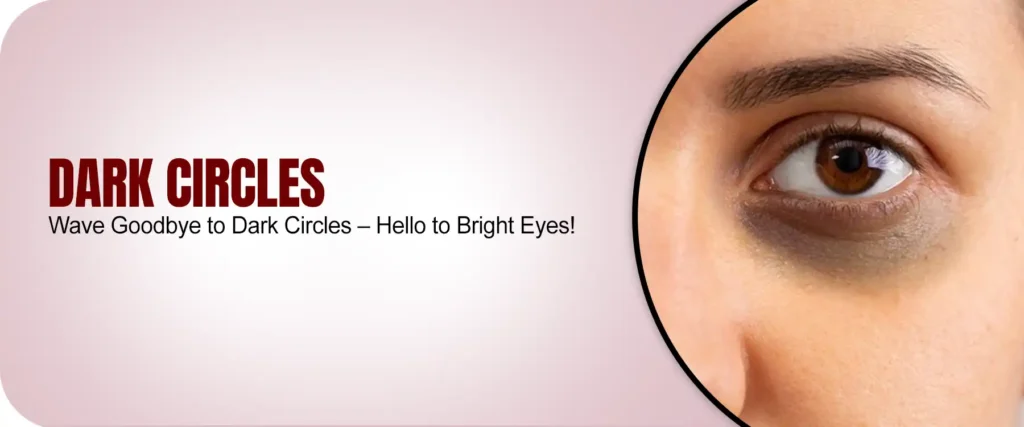
I worked night shifts for three years at my previous job. 11 PM to 7 AM, four nights per week. My dark circles went from barely noticeable to absolutely brutal within the first six months.
People constantly asked if I was sick or hadn’t slept in days. Coworkers felt compelled to mention how tired I looked. Relatives expressed concern about my health every family gathering. All because the night shift schedule destroyed my undereye area.
The biological stress of working nights creates perfect conditions for severe dark circles. Sleep disruption, circadian rhythm chaos, and chronic fatigue all show up first in your undereye area. Treating it becomes about more than vanity – it affects how people perceive your health and competence.
Circadian Disruption Shows In Your Face
Human bodies evolved to sleep at night and wake with daylight. Fighting against millions of years of evolution creates visible consequences, particularly around eyes.
Night shift workers experience constant circadian disruption. Even when you sleep adequate hours during the day, the quality is poor because your body thinks you should be awake. This shows as puffiness, darkness, and overall tired appearance.
My dark circles darkened within weeks of starting night shifts despite getting 7-8 hours of daytime sleep. The timing mattered more than the duration. Cortisol levels, inflammation markers, and fluid retention all worsen with circadian misalignment.
Blood vessel dilation increases when you’re awake during hours your body expects sleep. This makes vascular darkness more prominent under thin undereye skin. The bluish-purple tint became dramatically worse during my night shift period.
Inflammation from circadian disruption triggers melanin production over time. I developed actual pigmentation – brown discoloration – in addition to the vascular darkness. This combination created severe circles that no amount of sleep seemed to improve.
Research on dark circles under eyes confirms that fatigue and poor sleep quality significantly worsen appearance regardless of sleep duration.
Why Standard Advice Doesn’t Work
Everyone tells night workers to “just get more sleep.” Completely useless advice when the problem isn’t sleep quantity but timing and quality.
I slept 8 hours daily during my night shift period. Blackout curtains, white noise, cool room – all the sleep hygiene recommendations. Still looked perpetually exhausted because daytime sleep doesn’t provide the same recovery as nighttime sleep.
“Reduce stress” is similarly unhelpful. The stress is built into working against your circadian rhythm. It’s not about meditation or work-life balance – it’s biological stress from forcing your body into an unnatural schedule.
Standard dark circle treatments address symptoms but don’t fix the root cause. Caffeine serums and concealer help temporarily, but the underlying circadian chaos keeps making things worse.
Treatments That Actually Help Night Workers
Aggressive skin barrier support became essential. My undereye skin got drier and more sensitive during night shifts. Rich eye creams with ceramides and hyaluronic acid helped maintain hydration and reduce inflammation.
Vitamin C serum reduced the pigmentation that developed from chronic inflammation. I used 15% L-ascorbic acid every evening before my shift. It didn’t eliminate darkness but prevented it from worsening further.
Caffeine products provided temporary improvement before social events when I needed to look less zombie-like. Cold roller with caffeine gel constricted blood vessels enough to reduce vascular darkness for a few hours.
Prescription retinol thickened my undereye skin over several months, making blood vessels less visible. This provided cumulative benefit that actually improved the baseline appearance rather than just masking symptoms.
Professional treatments were worth the investment. Quarterly chemical peels reduced pigmentation, and one series of laser treatments stimulated collagen production. These interventions provided results that daily products couldn’t match.
Managing Inflammation And Fluid Retention
Night workers experience increased inflammation systemically, which worsens undereye appearance. Anti-inflammatory approaches help beyond just skincare.
I reduced sodium intake significantly because fluid retention made puffiness worse. The combination of lying horizontal during daytime sleep and disrupted fluid regulation from circadian misalignment created substantial morning puffiness.
Allergy management became critical. Allergies I’d tolerated fine on day shift became unbearable during night shifts. The inflammatory load from both allergies and circadian disruption compounded into severe undereye darkness.
Sleeping with head slightly elevated reduced fluid accumulation under eyes. Extra pillow prevented that puffy, swollen look I’d wake up with after daytime sleep.
Cold compresses before shifts constricted blood vessels and reduced puffiness. I kept gel eye masks in the freezer and used them for 10 minutes before getting ready. Temporary but noticeable improvement.
Nutrition Impact On Appearance
Night shift wreaks havoc on eating patterns, which shows in your face. I found myself eating garbage at 3 AM because that’s what was available and convenient.
Reducing processed foods and sugar helped somewhat. Inflammatory foods worsened the systemic inflammation that darkened my undereye area. Cleaner diet didn’t fix the circles but prevented them from getting even worse.
Hydration matters more for night workers. Disrupted circadian rhythm affects fluid balance, and dehydration makes skin look thinner and vessels more prominent. I forced myself to drink water consistently despite not feeling thirsty.
Vitamin deficiencies common in night workers – particularly vitamin D from lack of sun exposure – can worsen dark circles. I started supplementing D3 and noticed modest improvement in overall skin appearance.
Social And Professional Impact
Looking perpetually exhausted affects how people perceive your competence. Unfair but true. Managers questioned my alertness, coworkers assumed I was slacking, and clients seemed less confident in my abilities.
Investing in dark circle treatment became professional necessity, not vanity. Looking healthy and alert helped counteract the assumption that night workers are tired and unfocused.
The psychological impact of constantly looking sick wore me down. I felt okay during shifts but looked awful, creating disconnect between how I felt and how people treated me.
Effective concealing technique became essential skill. Finding the right concealer shade and application method made huge difference in presenting professionally despite the underlying darkness.
Long-Term Consequences
Extended night shift work creates lasting undereye changes that don’t fully reverse even after returning to day shifts. The pigmentation I developed stuck around and required active treatment to reduce.
Chronic sleep disruption ages skin faster. My undereye area showed more fine lines and thinning than expected for my age. Some of this reversed after quitting night work, but permanent damage occurred.
The combination of inflammation, poor sleep quality, and circadian disruption creates perfect storm for accelerated aging specifically around eyes. Preventive treatment during night shift years would have been smarter than trying to fix damage afterward.
Wrapping This Up
Night shift workers face unique challenges creating severe dark circles beyond what sleep-deprived day workers experience. Circadian disruption, increased inflammation, and poor sleep quality all compound into significant undereye darkness.
Standard dark circle treatments help but can’t completely overcome the biological stress of working nights. Realistic expectations mean accepting improvement rather than elimination of darkness.
Aggressive prevention during night shift years prevents permanent damage. Vitamin C, retinol, sun protection (yes, even during day sleep), and inflammation management minimize long-term consequences.
Professional treatments provide better results for night workers than drugstore products alone. The severity of circles from circadian disruption often requires laser, peels, or prescription treatments to meaningfully improve.
Consider the long-term impact on appearance when evaluating night shift positions. Some damage reverses after returning to day schedule, but permanent changes occur that require ongoing treatment to manage.
Previous Article
Can Dark Circle Treatments Fade Over Time NaturallyNext Article
What Dark Circle Treatments Do For Men And Women